"We're bringing you under the canopy, so we're showing you things local, we're showing you our home." That's how Kat Barrett, Extell's vice president of commercial services, described the bed canopies that give Hilton's Canopy brand its name, in a June interview with the Park Record about the hotel's construction. It's a small design detail attached to a larger question for East Village: what will give it a sense of place?
Canopy Deer Valley opened its doors this month, joining Grand Hyatt Deer Valley and the Pioche Village condominiums in the village. For the first time, East Village has a kitchen that was explicitly designed for two different customers at once, the guest paying for a ski week and the neighbor walking over on a Tuesday.
A hotel priced for the neighborhood, not just the peak week
The numbers make the intent legible. A king room with a small balcony was expected to start around $300 a night in the off-season, climbing toward $800 during peak ski season, according to the same Park Record reporting. That's a wide range, but it sits well under the $1,000-plus nightly rates that the resort's slope-side luxury hotels routinely command in winter. Extell has been direct about where Canopy sits in the lineup: positioned in Hilton's upper-upscale tier, between the coming Four Seasons and Waldorf Astoria on one end and the everyday hotel stock down the valley on the other.
That positioning matters for anyone who already owns in the village, because it changes what's actually usable day to day. Grand Hyatt's Sunspell bar has been open to non-guests with a day pass since 2024, but it's built around a pool deck and peak-season energy. Canopy's four food and beverage venues, spanning more than 9,600 square feet, were built with a different brief. Hilton's own opening announcement described the goal plainly: dining designed to welcome both hotel guests and the local community.
Four venues, one chef learning the valley
The culinary program is led by Executive Chef Scott Rackliff, who moved to Park City from Huntington Beach after stints that included Eleven Madison Park in New York and California's Pacific Hospitality Group properties. His signature restaurant takes its cue from home cooking rather than fine dining formality. In an August report for the Park Record, Rackliff described the concept as covering the whole country of Italy rather than one region, going for something closer to "eating at grandma's house."
That approach plays out across the property's four named venues: Tavolona and Fornetto handle the sit-down Italian program and the wood-fired oven work, Mountain Provisions runs the grab-and-go counter tucked beside the hotel's double-sided lobby fireplace, and Alpine Attic tops the building as the rooftop lounge with views back toward Jordanelle Reservoir and the mountain. The menu itself reads like a list of things you'd actually order on a weeknight: house-made pastas, meatball smash burgers, fresh bolognese, branzino, pork from Niman Ranch, pizzas baked in an outdoor oven. None of it is trying to be an event.
What separates this from a generic resort restaurant is where the ingredients come from. Rackliff's kitchen sources from Wasatch Meats, Ballard Farms, Beehive Cheese, and Heber Valley Artisan Cheese, the same regional suppliers that stock kitchens across the Heber Valley and Midway, not a national resort commissary. For someone who already lives in the village, that's the detail that actually changes the calculus of eating there regularly. It means the cheese on the board or the pork on the plate is traveling the same short distance it would to any other kitchen in Wasatch County, not being flown in to hit a five-star script.
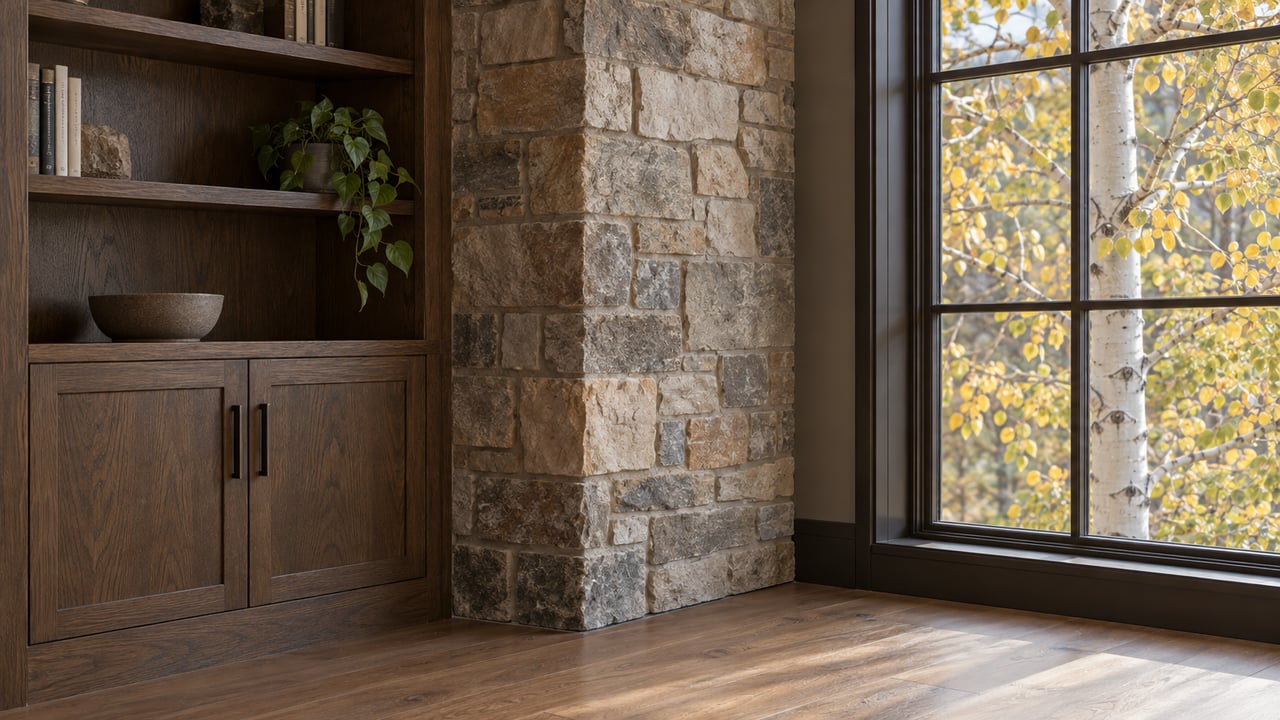
The building itself leans into the same local grounding rather than importing a generic alpine look. Interiors from DLR Group and BraytonHughes reference Park City's mining history directly: decorative metal screens meant to evoke mining equipment, a rope installation in the main restaurant paying tribute to the area's ranching past, ceiling treatments in the lobby designed to resemble falling snow. General Manager Andrew Carey framed the opening as a place built to reflect "the character and energy of this highly anticipated destination," language that only means something if the restaurants and public spaces back it up.
What's actually open right now, and what still isn't
Context matters here because East Village is still mostly a construction site with a few finished corners. The village's own permanent skier-services building, the Deer Valley East Village Lodge, and the separate Park Peak Lodge are both still targeted for the 2027/28 winter season. As of this fall, Deer Valley's own construction updates describe the core and shell of Park Peak Lodge as complete, with interior buildout of its dining areas continuing through winter 2026/27. In practical terms, that means the food hall planned for Park Peak, roughly 860 seats built around a "Live Fire" concept, is still a year or more away from serving anyone.
Pioche Village, the 402-unit condo building next door to Canopy, adds residential density to the block but no restaurants of its own. Marcella's golf and club program sits on the other side of the mountain. Grand Hyatt has been open since November 2024 and covers one end of the dining spectrum. Until the East Village Lodge and Park Peak Lodge actually open, Canopy's four venues are functionally the only walk-in dining option built for daily use rather than a special trip, sitting at the base of Deer Crest a few steps from the Jordanelle Express Gondola.
That's a narrow window, maybe a year, maybe more depending on how the interior buildout schedules hold. But it's the first time since construction began that someone living in the village doesn't have to drive to Heber or Kamas for a casual dinner that isn't attached to a golf club or a hotel restaurant reservation built around a $1,000 room rate.
Why this is worth watching this fall
The village has spent two years being defined by what's coming: a Four Seasons targeted for 2027/28, a Waldorf Astoria announced for 2028/29, terrain expansions arriving in phases each winter. Canopy is the first piece of that plan that's fully open, priced for regular use, and built with the explicit goal of serving the people who already live there as much as the people checking in for a week. Whether that intention holds up once ski season brings the crowds back is the next thing worth watching. For now, before the lifts turn for 26/27, it's the closest thing the village has to a neighborhood restaurant.
If you're following Deer Valley East Village's evolution and considering a move there, Debbie Millar has been tracking exactly which pieces of the village are open, which are still on paper, and what that timeline means for anyone deciding when to buy. Let's Connect.